Connecting Chemistry to Community
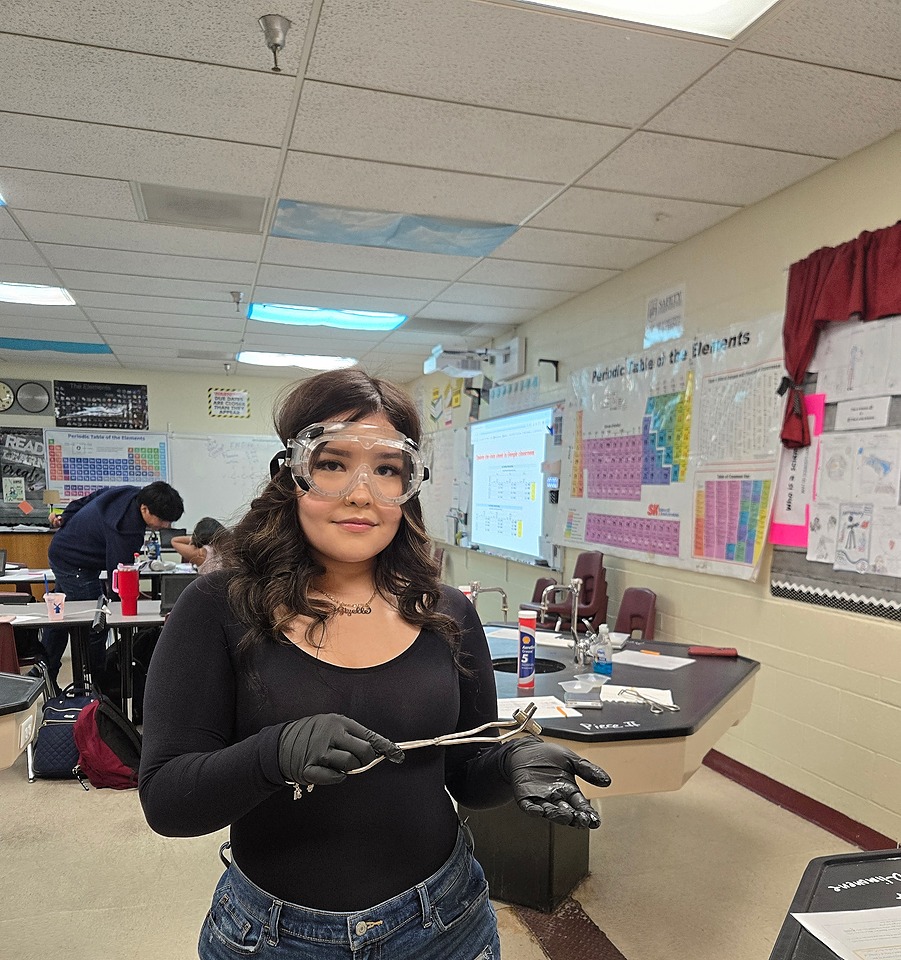
For students in Cynthia Lopez’s high school class, chemistry went far beyond studying equations and experiments – it became an opportunity to understand their community more deeply, to investigate solutions to issues in their own neighborhoods, and to see themselves as changemakers.
Lopez long wanted her students to see the connection between chemistry and their lives. That vision came to life when she took a leap of courage in connecting with community partners – university researchers, artists, and community members- through CommunityShare.
The project aimed to explore local contamination of trichloroethylene (TCE), an industrial solvent that has significantly impacted the lives of local community members on the south side of Tucson, Arizona.
Together, Lopez and her students took a multi-angled approach to their learning journey.
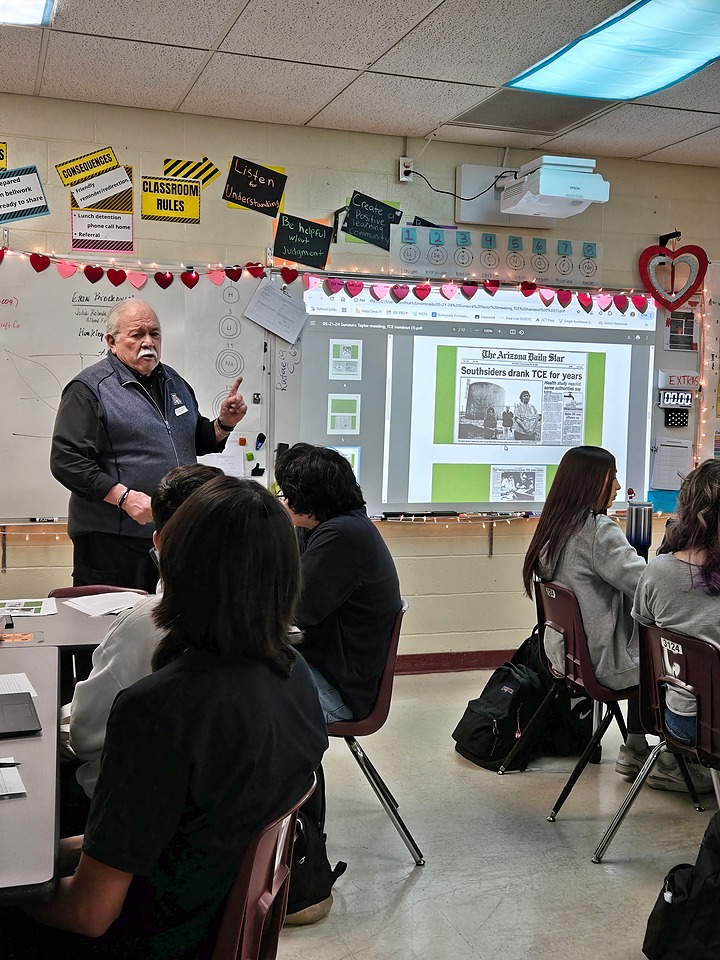
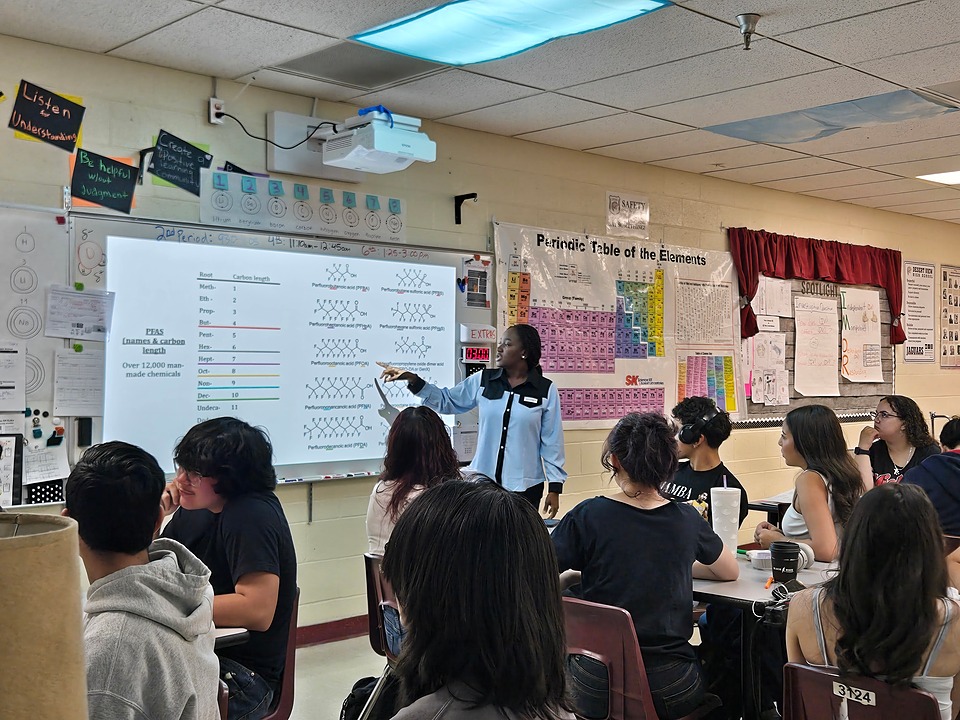
First, community members visited their classroom to share personal stories of how their community and families were impacted, including Rick Gonzales, a community resident and lawyer who successfully represented hundreds of residents affected by TCE in a mass tort lawsuit. Students also met with community leader Rebecca Quintero, a Sunnyside Unified School Governing Board member who shared personal and community stories and answered students’ burning questions. “Students were on the edge of their seats. They were asking questions, not because I told them to or because I expected them to. They were genuinely curious and just wanted to know more,” Lopez reflected. The conversations were illuminating to students, many of whom were previously unaware of the impact of TCE, which still impacts the community today 40 years later. Rick Gonzales reinforced that message when he told the students, “This is your legacy now.”
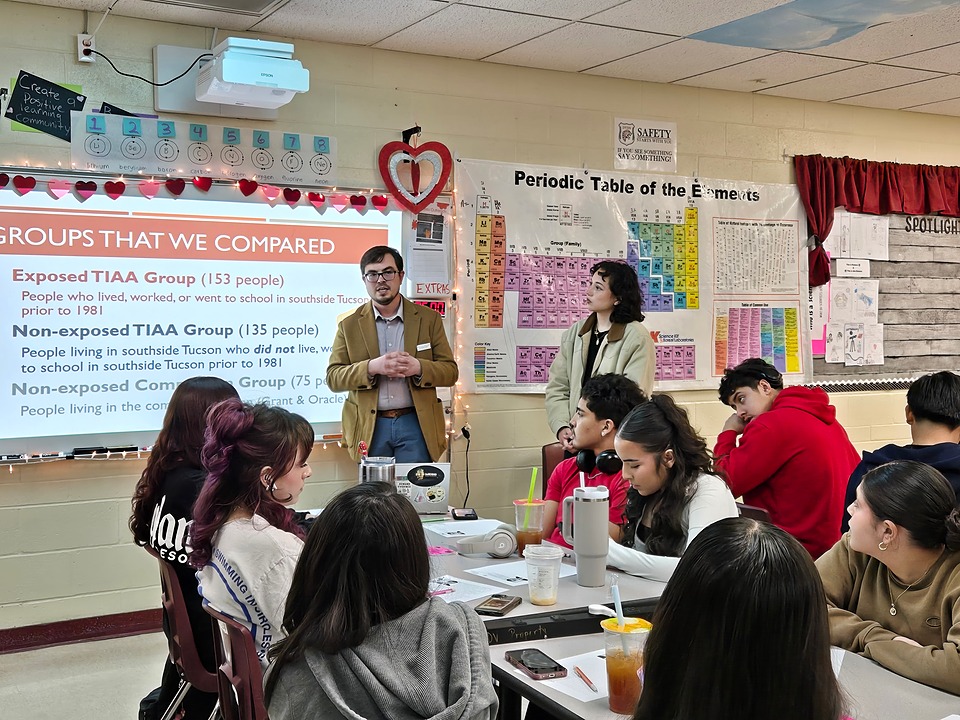
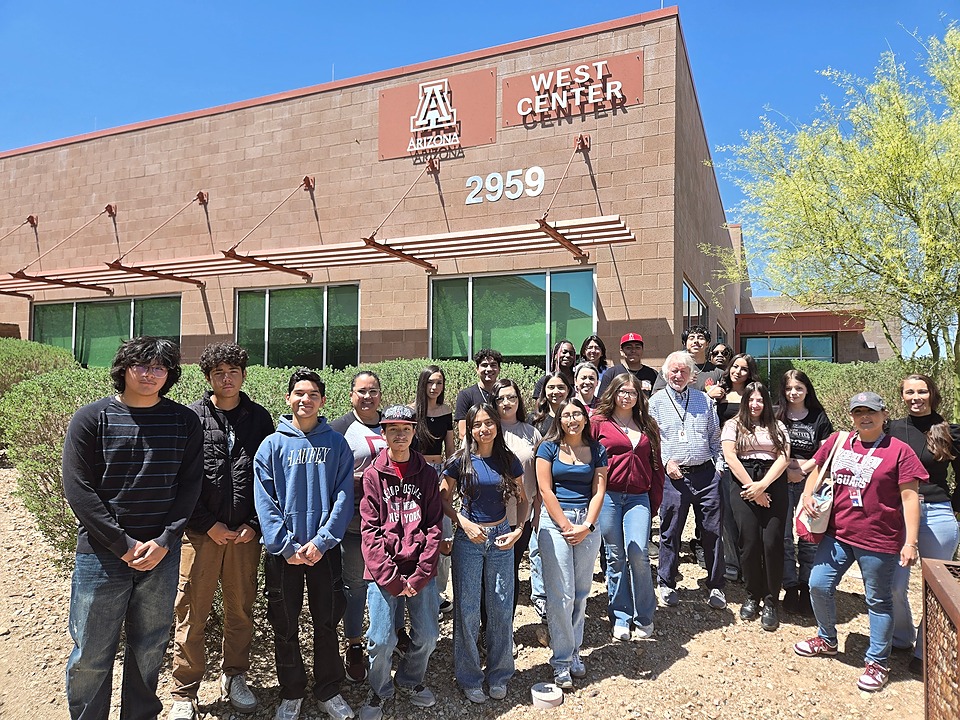
Grounded in the context of community history and sparked with curiosity, Lopez’s students connected with scientists at the University of Arizona, including Daniel Sullivan, a scientist studying the impact of TCE contamination on the collective community mental health. Sofia Forier-Montes, Assistant Director, CEC Southwest Environmental Health Science Center, and University of Arizona graduate student Tina Fingesi, also visited Lopez’s classroom, allowing students to ask questions and learn about the chemical structures they were studying in connection to the humans impacted by them.
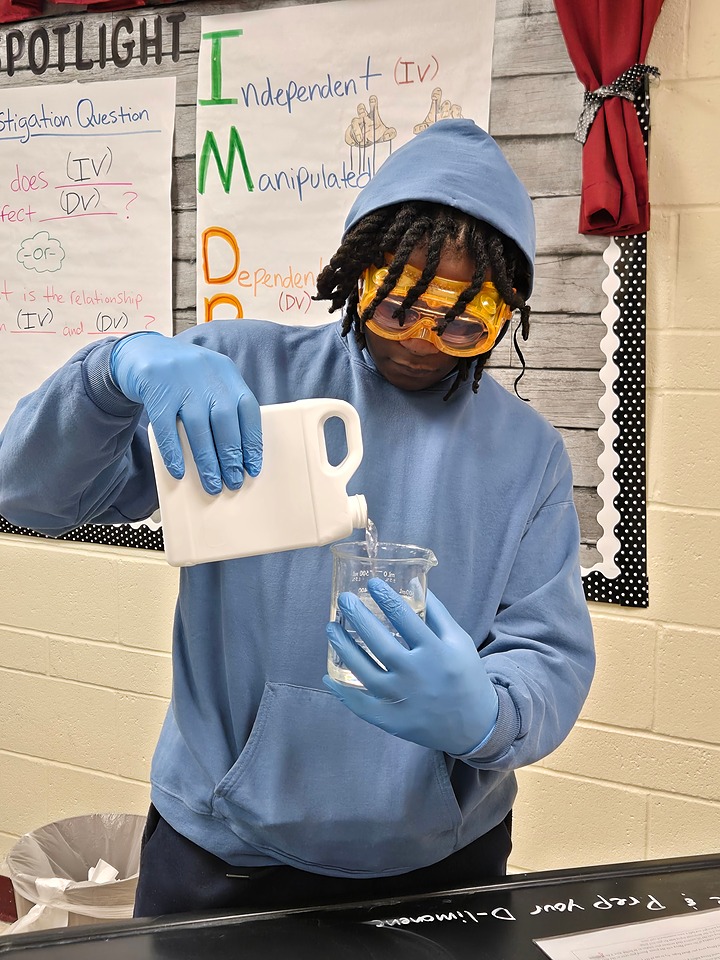
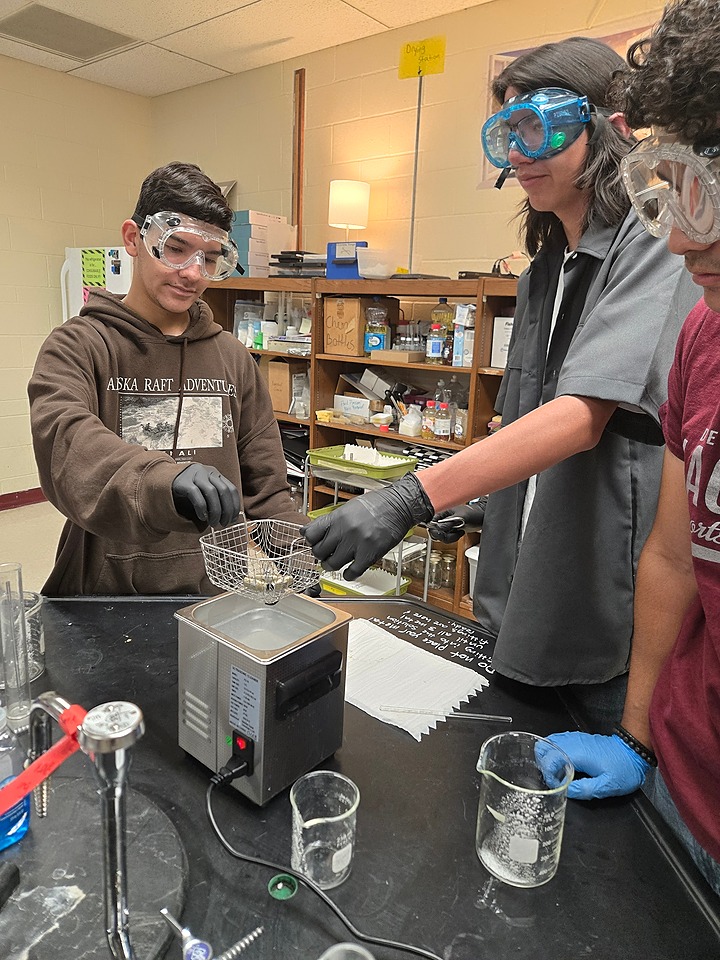
Back in the classroom, students designed their own investigations, researched safe chemical alternatives to TCE, and explored principles of green chemistry. Lopez acted as a facilitator, providing students with the opportunity and time to do hands-on research and ask challenging questions, and offering the space to make decisions together about potential solutions. Lopez provided guidance and support throughout their investigations.
One of the most powerful outcomes was how students carried the learning back to their own families. “I’ve always wanted my students to go back and tell their families what they learned in chemistry today, but I’ve never really experienced that before,” she shared.
Students began talking to parents, aunts, and neighbors about TCE contamination and environmental health. Those conversations sparked personal stories from their families, creating an intergenerational dialogue about science, history, and justice. “They were engaged to a level that I had never seen before. The kids were so excited to come back and kind of fill me in on what they were talking about,” Lopez recalled.
The learning journey culminated in students contributing to the creation of a mosaic tile mural with local artist Alex Jimenez, Director of the Mexican American Heritage and History Museum of Tucson Alisha Vasquez, and community members to honor lives lost to TCE. Learning about Lopez’s project, the artists scheduled a special session for students to contribute to the mural, which stands as a symbol of remembrance, resiliency, and responsibility.
Through this project, Lopez’s students discovered firsthand that chemistry is more than memorizing formulas from a textbook — it’s a lens for understanding the world and a tool for shaping it. They learned scientific concepts and much more – how learning, curiosity, and community can combine to spark real change. Perhaps most importantly, students were able to see how they, as young people, are important contributors to that change. “As young adults, we need to advocate for our community,” one student reflected.
For Lopez, the project has pushed her out of her comfort zone, helped her build confidence while connecting with a fellowship of local educators, and allowed her to rethink the incredible value of connecting with community members and their expertise. She is excited to bring what she learned into her classroom for years to come.
Lopez’s driving goal was to help students understand chemistry as it relates to people, not as a disconnected body of facts. “I want students to realize that they have solutions—maybe to problems they don’t even realize yet—and that their voice is valuable, their ideas are valuable, and they can make change,” she reflected. Through this project, that vision became reality.
Impact Spotlight
37 Students Impacted
Length of Project
4 months
Skill Building:
- Career & Technical Experience: Research, Chemistry, Arts
- Content Areas: STEM, Chemistry, Art
- Civic Engagement
- Life and Workforce Skills: Collaboration, problem-solving, critical thinking, communication, creativity
- College Readiness