Uncovering Forgotten Stories
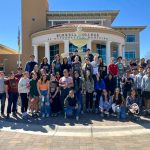
For high school teacher Shannon Fojtik, the seed of this project idea was planted years before she entered the classroom. As a journalist, she investigated a cemetery in downtown Tucson from the late 1800s that had been covered up when the land became profitable. She didn’t know then that this discovery would one day inspire a community-engaged learning project where more than 100 high school seniors would uncover their own community’s forgotten stories.
Guided by the saying, “Everyone dies twice—the first time when you stop breathing, and the second time when someone says your name for the last time,” Shannon gave her dual enrollment students the assignment of uncovering forgotten voices in their community. She also gave them something rare: complete freedom to choose their topics for research for their 10-page paper.
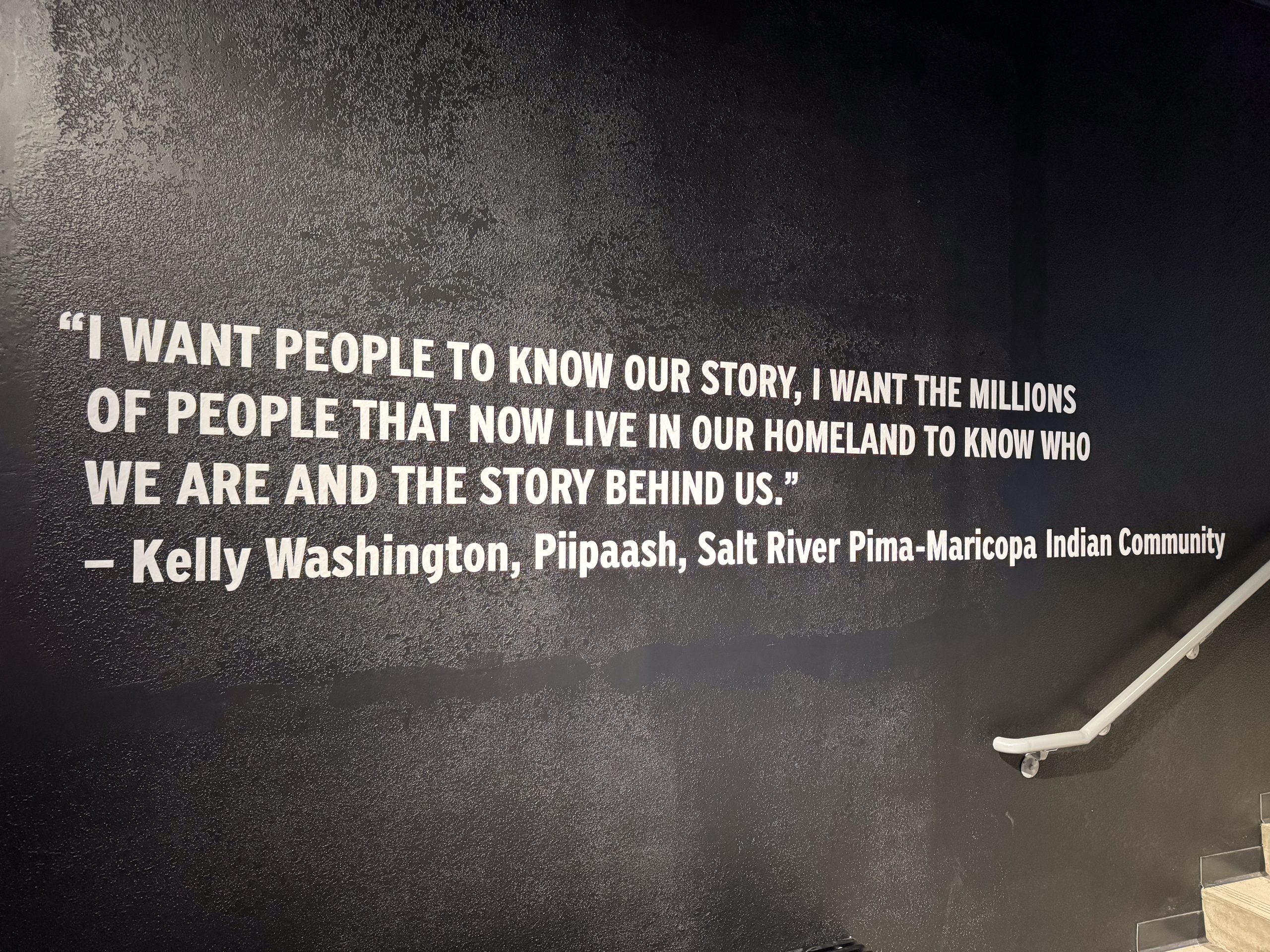
That trust and agency sparked genuine passion and curiosity as students explored topics from Indigenous stories in southern Arizona to mining culture in rural towns, migrant journeys, and local government stories.
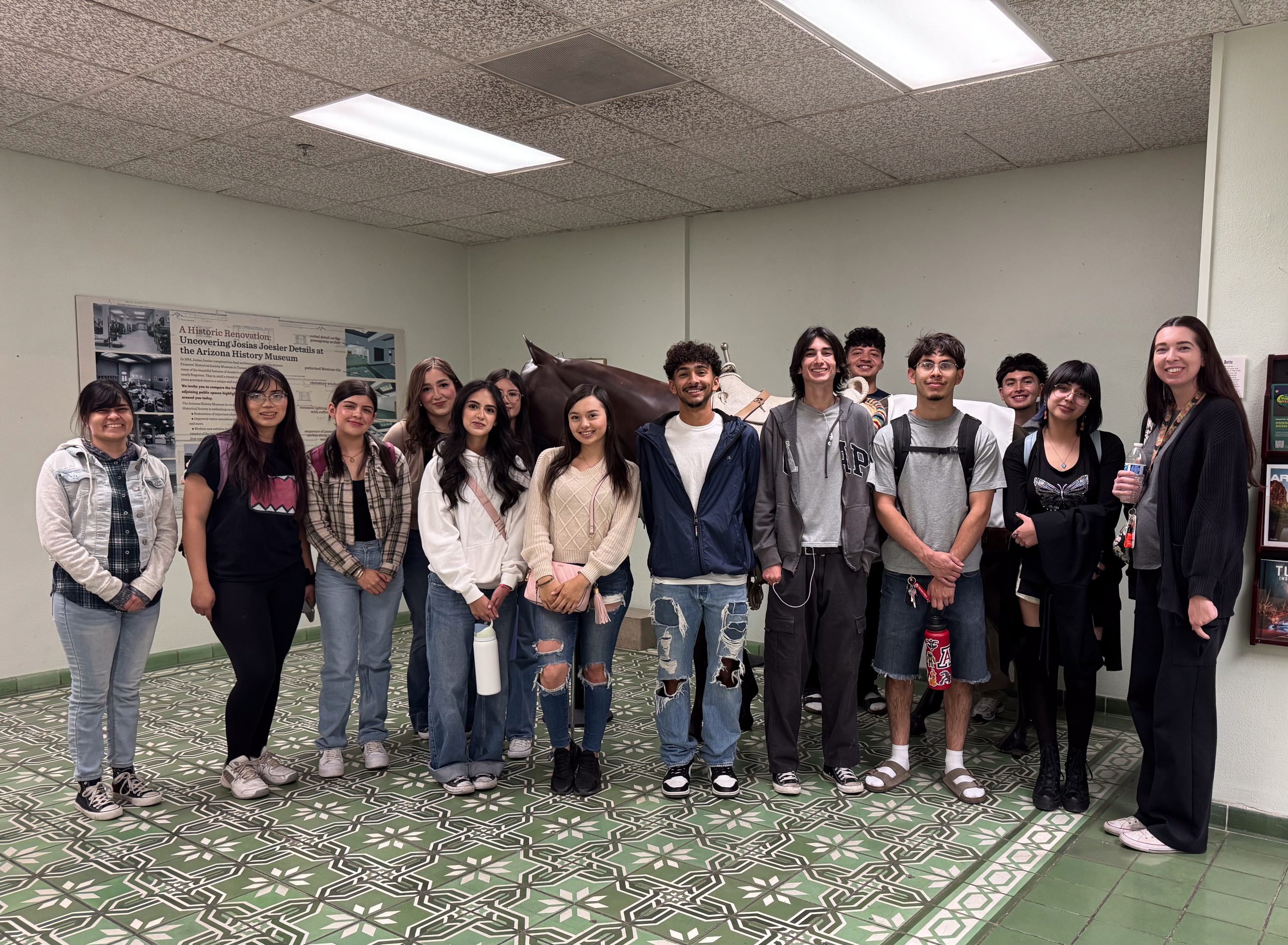
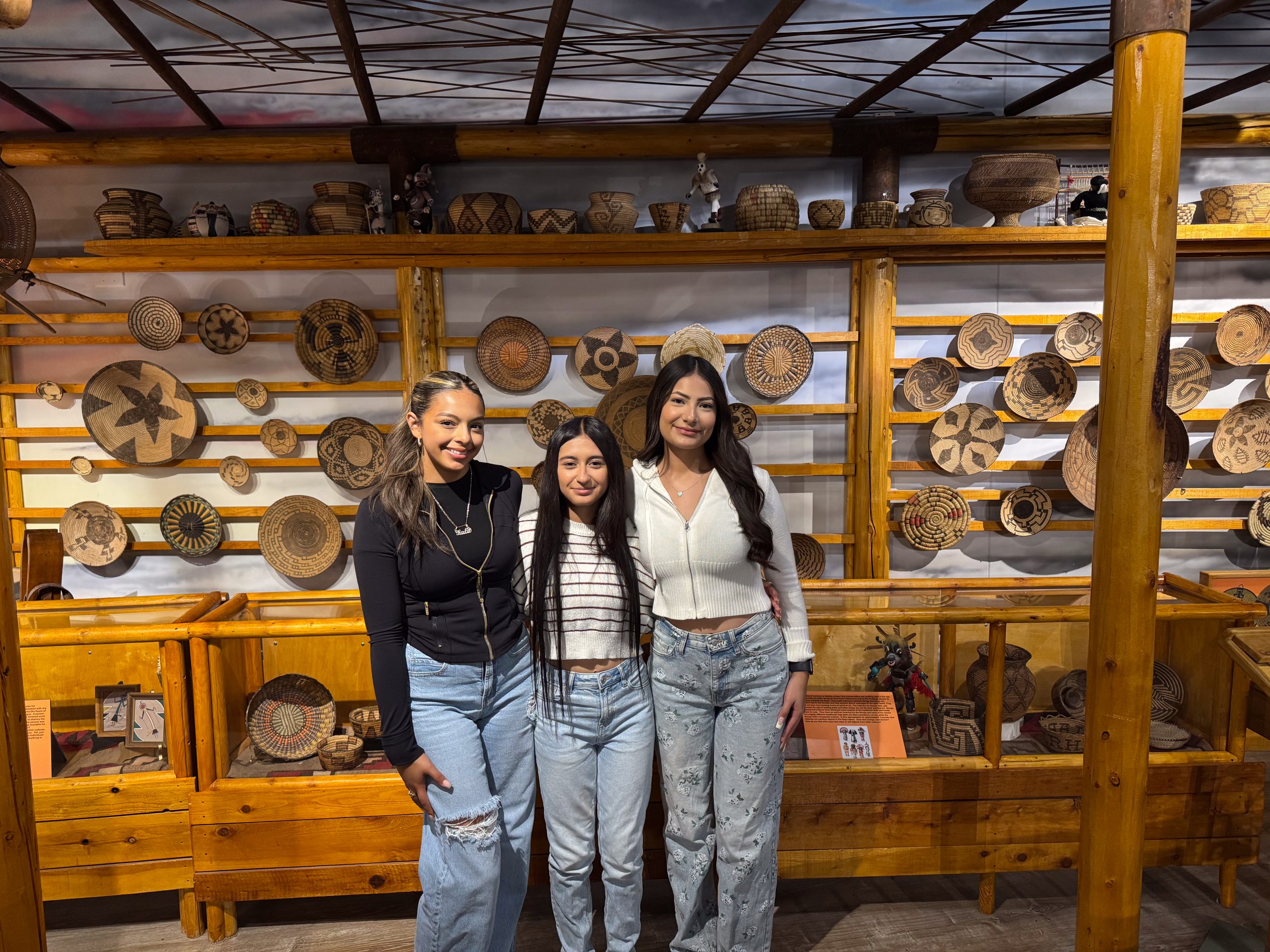
To investigate these untold narratives, students couldn’t rely solely on internet resources or AI. Over the course of the project, seven field trips took students out of the classroom and into their community. For example, in Barrio Viejo, a historic and storied community in Tucson, Arizona, students stood in the streets while a local historian shared memories of the neighborhood nearly a century ago when his family lived there. From the sounds, sights, and smells of Chinese grocery stores, apothecaries, and tortillarias from years past, students began to imagine the people and stories that once filled the neighborhood and the ways it has been changed. “You cannot get that through just looking at your computer. You have to get out there, ” Shannon reflects.
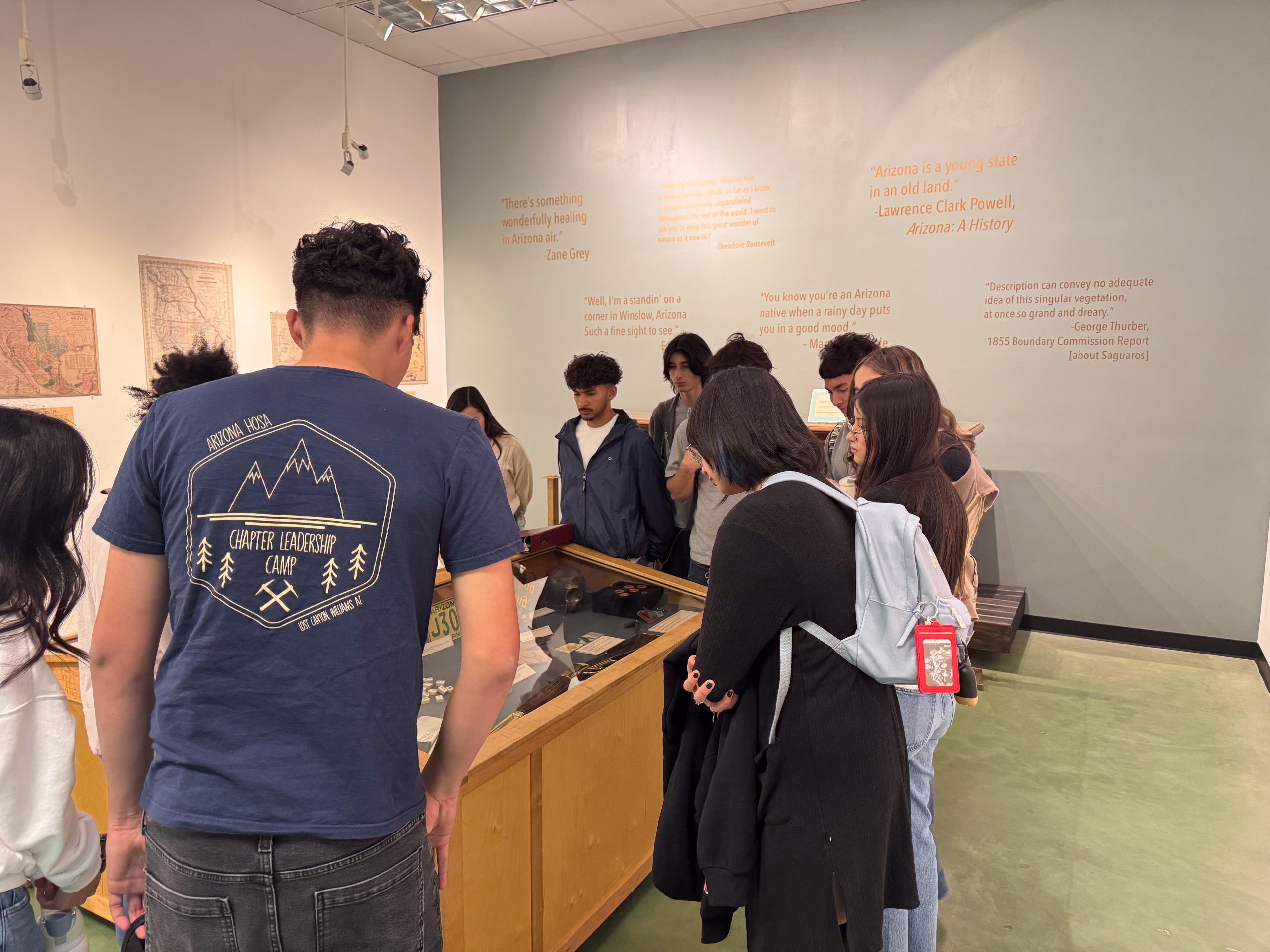
At the University of Arizona Archives Museum, students started to connect names from stories they’d heard. They noticed not only what was written but what was missing and began asking questions, “Why was this not documented? Why were these stories forgotten?” In learning to seek and connect multiple perspectives, question sources, and understand the historical context of current events, they began to see that they could be the writers of these untold stories.
Once reluctant presenters, students were confidently interviewing experts and sharing discoveries with family and neighbors. “Their curiosity would kind of take over their nervousness,” Shannon said. Bringing it back to the classroom, Shannon invited local writer Renee Palting to guide students in developing their narrative techniques and storytelling approaches.
Through the project, these dual-enrollment high schoolers had the opportunity to build skills they’ll use in college through a project connected to their lives and interests.
For Shannon, the project was about more than writing; it was about preparing students to be informed, curious, and engaged citizens. “If you leave this class with nothing else, I want you to leave this class knowing you should always ask questions. Never settle for the information you’re given. Always push it a little bit more,” she tells her graduates who have now gained practical experience in asking questions and exercising critical thinking to get to the heart of stories untold.
“CommunityShare is definitely a bridge to getting education to somewhere that does work,” she says. In a world where AI can generate writing in seconds, Shannon’s students are learning something irreplaceable: how to uncover truth, connect with their community, and discover important voices, including their own.
Impact Spotlight
107 Students Impacted
Length of Project
5 months
Skill Building:
- Career & Technical Experience: Journalism, Writing
- Content Areas: English / Language Arts, Social Studies / History
- Life & Workforce Skills: Presenting, Communication, Research, Interviewing
- College Readiness