Growing Gardens and Community Contributors
For fourth graders at Crossroads Elementary (Bullitt County Public Schools), a science unit on plant and animal needs became something bigger: a chance to reshape their own school grounds and see themselves as scientists and community contributors.
Martin Rosenberger’s students had studied pollinators, and local high school FFA students had shared how the community’s farmers depend on them. But on a nature walk around their suburban Kentucky school, his students noticed something missing — no flowers, no gardens, no habitats for pollinators. That gap became their driving question: “How can we, as community contributors, create a space in our community that supports pollination?”
From Textbook to Real World
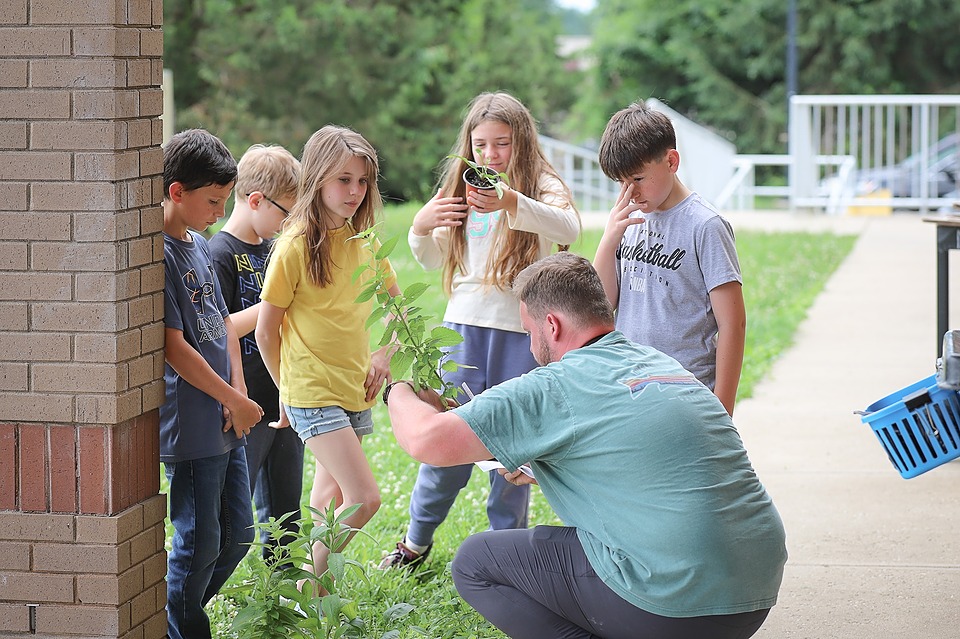
That question took students’ learning beyond the textbook and into their school community. Students tracked how the school’s shadows moved to find the sunniest spot, ran a simulated lab on native Kentucky plants, charted their data in Google Sheets, and wrote garden proposals they presented to the principal and school council. “They’re not just sitting and doing a worksheet on the different parts of a plant and how it helps,” Martin said. “They’re actually getting to go out and see that in real life.” But when winter came, the project went on hold as community partners were challenging to find.
It reawakened in spring, when Martin joined his district’s authentic learning cohort and heard about CommunityShare from Lee Barger, the district’s Director of Community Outreach and College and Career Readiness, who shared how it could help with giving students vibrant learning experiences that match what they need to be able to do in real life. Martin posted the project and began connecting with community partners, including their school’s green-thumbed music teacher and a local gardener who donated native plants and shared her knowledge and experience planting in their specific environment.
“I’m not a gardener; my expertise is not there. So being able to find somebody in the community was so impactful because it just makes the project more hands-on.”
While funding can often present a hurdle for bringing projects to life, a grant from CommunityShare helped bring it all together, covering plants, soil, and the tools to keep the garden thriving over time. “Being able to go to CommunityShare and say, ‘I have this idea. Is there funding out there for it?’ was really impactful,” Martin said.
Community Contributor Day
As Martin reflected, the project embodied several of the graduate profile capacities the district wants students to carry with them — being a community contributor, an innovative problem solver, and a productive collaborator.
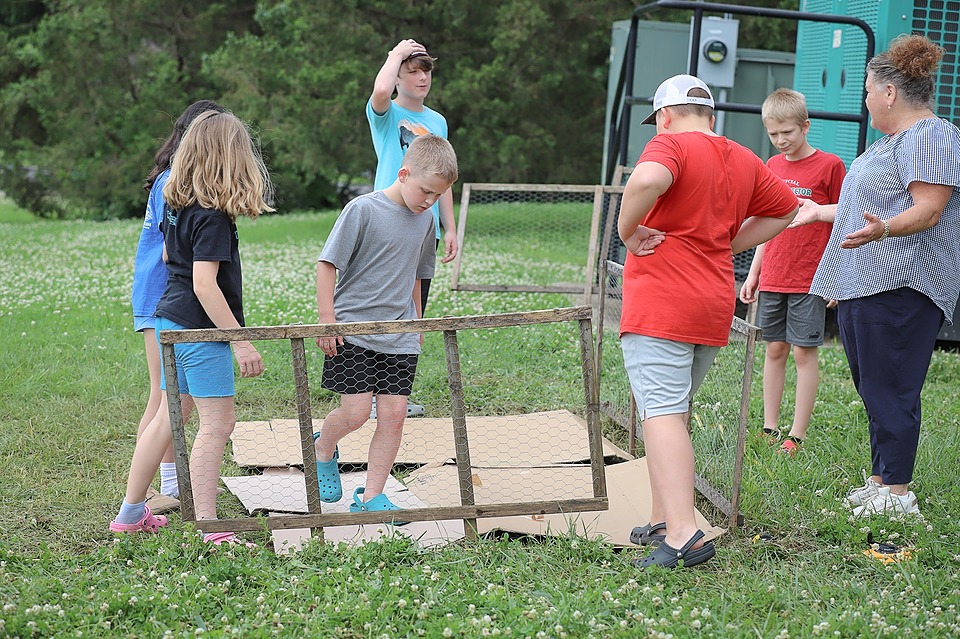
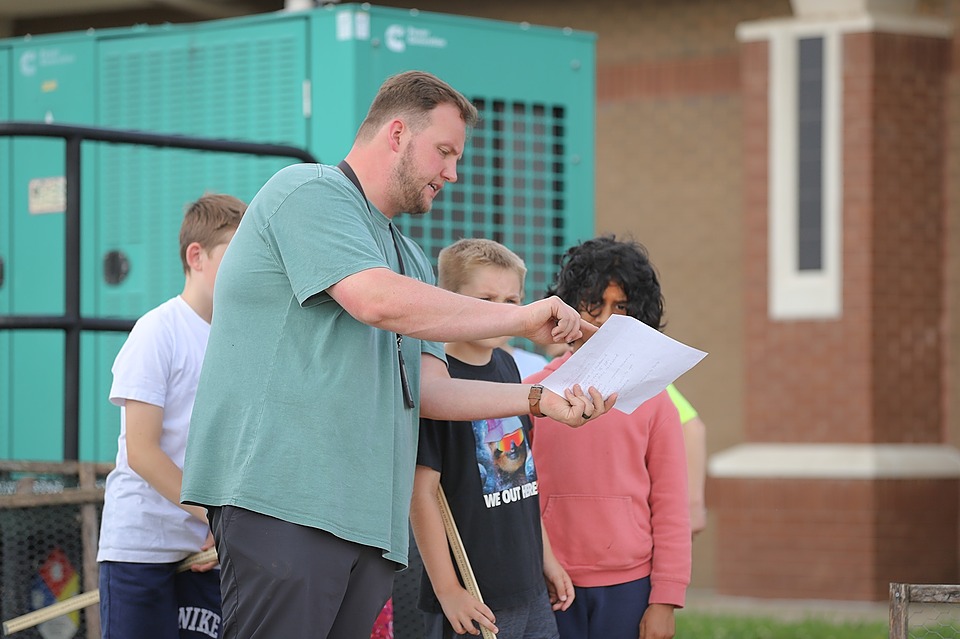
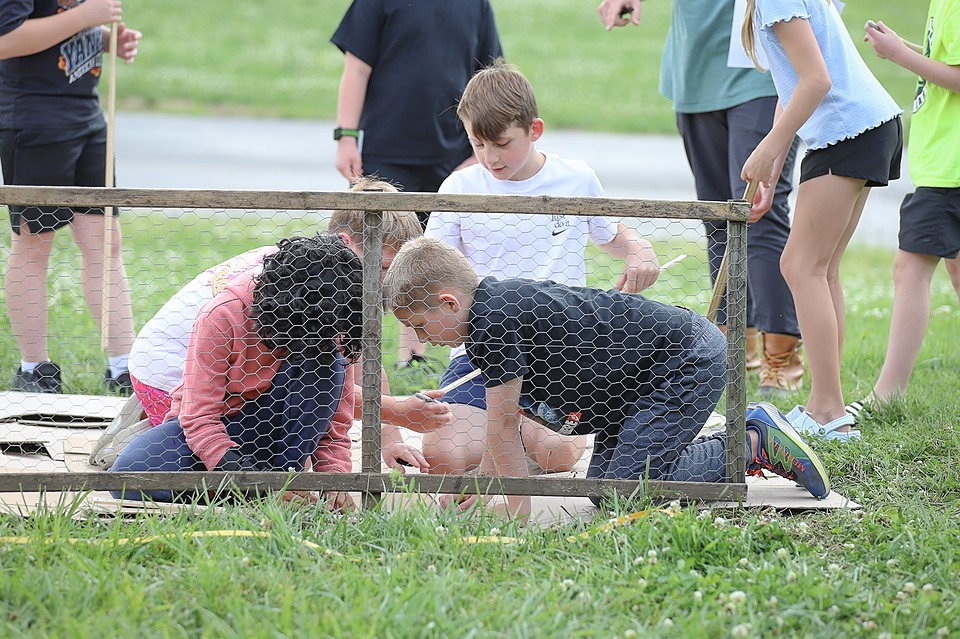
On planting day, which they fittingly named Community Contributor Day, every student and every class had a role. Some tilled the ground and laid a cardboard base; some measured the precise 18-inch spacing for planting; others planted the seedlings in the soil. Students who found other classroom activities, like tests and worksheets, challenging were some of those who came most engaged with the project. They spoke up in class and stepped into leadership, finding their passion in the project. And his students shared it was “the coolest thing we’ve ever done.”
“If we want true engagement,” Martin said, “I think that you have to connect to students’ passions…we’re not just saying ‘you have to do this because I’m telling you you have to do it….’ it’s ‘You’re doing it because you’re making a real impact on the community.’”
A Living Legacy and Lab for Learning
Looking back, what stayed with Martin was how completely the students had owned the work. The students both identified and came up with solutions for the problems they saw. “They were just grateful for the opportunity to actually do something with their learning,” said Marin. The impact showed up across all areas of learning.
“Doing a project like that doesn’t just grow the student in isolation; it grows them across all of their academic disciplines, including social and emotional. All those things are growing and getting better when they’re having to connect with people. We’re looking at how they lead, or can they solve a problem, can they collaborate with other people…all of those skills that you have to have in a job or to be a successful adult.”
The garden now sits outside the cafeteria windows, where students watch pollinators arrive. Next year, students will continue to steward it and decide what to plant next.
The project influenced Martin’s own practice, too. “Sometimes projects like this, they sit on the shelf, and nothing ever happens with it,” he said. “Being able to do this project really showed me what’s possible. There are ways to get it done.”
Now an instructional coach at Bullitt County Public Schools, he’s set on helping other educators do the same.
Impact Spotlight
70 Students Impacted
Length of Project
Fall 2025 – Spring 2026
Skill Building:
- Content Areas: Science, Mathematics, English Language Arts
- Civic and Environmental Engagement
- Life and Workforce Skills: Problem-solving, critical thinking, collaboration, communication, leadership